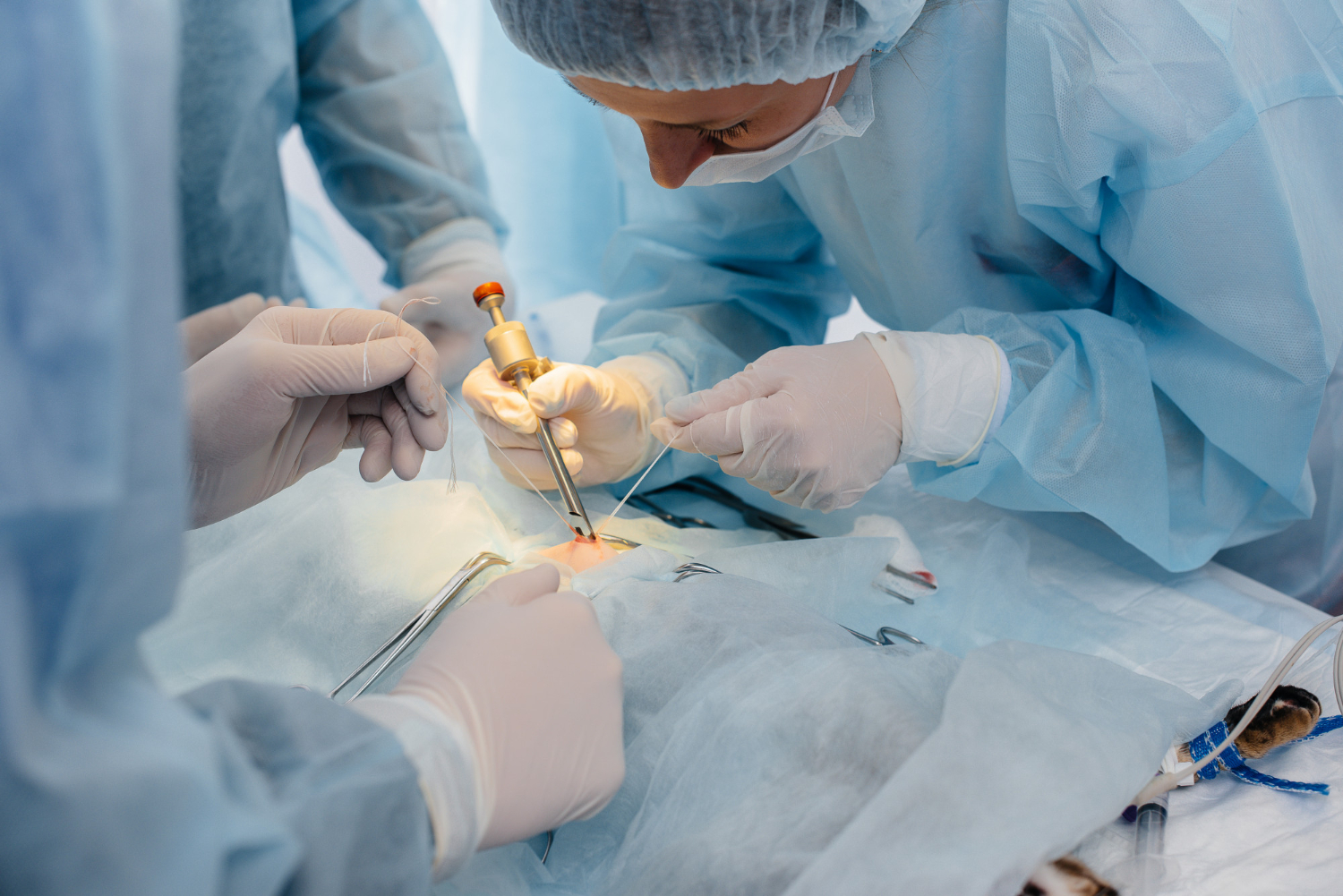
Laparoscopic surgery, also known as keyhole surgery, is a minimally invasive surgical technique performed through small incisions instead of one large incision. At Arsh Multispeciality Hospital, laparoscopic procedures are used for suitable abdominal and gastrointestinal conditions, with a focus on precise treatment, patient comfort, and recovery.
During laparoscopic surgery, a small camera called a laparoscope is inserted through a small incision to provide a clear view of the surgical area. Specialized instruments are then used through additional small openings to perform the procedure.
Compared with many traditional open procedures, laparoscopic surgery may offer:
Laparoscopic techniques can be used for several common surgical conditions. The suitability of keyhole surgery depends on the patient’s health, diagnosis, and specific surgical requirements.
Procedures may include:
Before surgery, the surgeon evaluates your medical history, symptoms, diagnosis, and investigation results. During the procedure, a camera provides an enlarged view of the surgical area, allowing the surgeon to perform the required treatment using specialized instruments.
The procedure is generally performed under anesthesia, with the type depending on the surgery and patient’s individual needs.
Laparoscopic surgery is designed to minimize the impact of surgery while allowing effective treatment. Depending on the procedure and individual recovery, potential benefits can include:
Not every patient or surgical condition is suitable for laparoscopic treatment. The decision depends on factors such as the type and severity of the condition, previous surgeries, overall health, and the surgeon’s assessment.
In some situations, open surgery may be safer or more appropriate. Your surgeon will discuss the available options and recommend the most suitable approach.
Recovery varies depending on the type and complexity of the procedure. Patients are given instructions regarding wound care, diet, physical activity, medications, and follow-up appointments. Following postoperative advice can support a smooth recovery.
Book your consultation today and take the next step toward better health.