
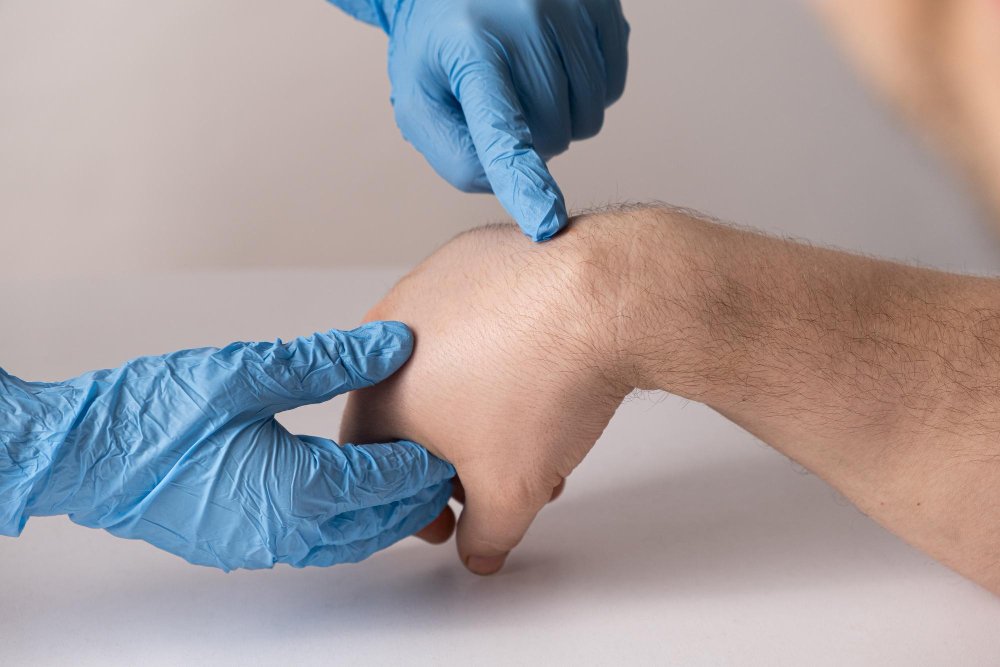
What is a Lipoma?
A lipoma is a soft, slow-growing lump under the skin. It is made up of fat cells. Most people find lipomas on their neck, shoulders, arms, or back. However, they can appear almost anywhere on the body. Lipomas are called benign fatty tumors because they are not cancer. In most cases, they do not turn into cancer either. According to the World Health Organization, lipomas are the most common type of soft tissue tumor in adults. Even though they are harmless, some people choose lipoma removal for comfort or appearance.
Common Symptoms of Lipoma
Usually, lipoma symptoms are mild. For example, many people do not notice any pain. Still, you might see or feel a lump. Often, the lump is:
Sometimes, a lipoma may feel tender if it grows near nerves. But most lipomas do not cause problems. If you notice a new lump, it is wise to have it checked by a doctor.
Causes and Risk Factors
Doctors do not know the exact cause of lipomas. However, several risk factors can make them more likely. For instance, genetics can play a role. If someone in your family has had a lipoma, you may have a higher chance of getting one. In addition, adults between ages 40 and 60 are more likely to develop lipomas. While anyone can get a lipoma, some rare conditions, like familial multiple lipomatosis, increase risk. Importantly, lipomas are not caused by injuries or infections.
How Lipoma is Diagnosed
First, a doctor will examine the lump. Often, the soft and movable feel of a lipoma helps with diagnosis. Still, to be sure, your doctor may use tests such as:
Because lipomas are benign fatty tumors, these tests help rule out other problems. Most lipomas do not need many tests unless they look unusual or grow quickly.
Treatment Options for Lipoma
Many lipomas do not need treatment. However, if a lipoma is painful, growing, or bothersome, removal may be suggested. Treatment for lipoma includes:
Although surgery is safe, there is a small chance the lipoma may come back. Your doctor will help you decide the best option for you.
When to See a Doctor
Sometimes, it is important to seek medical advice. For example, see a doctor if you notice:
While most lipomas are harmless, these signs could mean another problem. Early checkups help rule out serious conditions.
Prevention and Lifestyle Tips
Currently, there is no sure way to prevent lipomas. Since genetics play a role, some people may be more at risk. However, keeping a healthy lifestyle supports overall skin and body health. For instance, you can:
Although these steps cannot stop lipomas, they help you notice changes early. That way, you can get the right care if needed.
Conclusion
If you have noticed a new lump or have questions about lipomas, S Fasiulla is here to help. Schedule a consultation today to get clear answers and personalized care.